
The Best 17 Clocks of February 2025 Reviewed by Testmarket Experts

Introduction: Discovering the Timeless World of Clocks
In an era where digital devices dominate our lives, the charm and utility of traditional timepieces hold a significant place in the hearts of many. Clocks, in their myriad forms, serve not just as tools for tracking time but as pieces of art that enhance the aesthetic of any space they inhabit. The intricate craftsmanship, the rhythmic ticking, and the historical significance of clocks make them a staple in both functional and decorative arts. Whether seeking to adorn your walls with a statement piece, add a touch of elegance to your mantel, or improve the functionality of your workspace, finding the perfect clock is an invitation to explore a world where form and function harmoniously coexist.
As we delve into our curated selection of the best 17 clocks of February 2025, reviewed meticulously by Testmarket experts, we invite you on a journey through timekeeping's timeless realm. From vintage designs to contemporary innovations, each clock offers unique characteristics catering to diverse tastes and needs. Our expert reviews consider quality, design, accuracy, and value, ensuring that each recommended piece stands out in both utility and style. Let's uncover how these timepieces can punctuate life's moments, offering not only precision but also a profound sense of connection with the passage of time.
Benefit: Why a Clock is More Than Just Timekeeping
In today's fast-paced world, clocks serve as more than mere timekeeping devices; they are integral to our daily routines and emotional well-being. A well-chosen clock not only keeps us punctual but also enhances the aesthetic value of our living spaces. From vintage wall clocks that add a touch of nostalgia, to modern digital variants that blend seamlessly with contemporary interiors, the right clock can complement your lifestyle and personal taste. Beyond aesthetics, clocks play a crucial role in managing stress and promoting mental health. By providing clear visual cues, they help structure our day, reducing anxiety related to time management and missed appointments.
Moreover, clocks have evolved to become sophisticated gadgets that significantly improve our quality of life. Advanced models come equipped with features like weather forecasts, alarms, and even health monitoring tools, making them essential for tech-savvy individuals. Clocks with integrated smart technology can synchronize with other smart home devices, helping create a seamless and well-coordinated environment. Whether in the workspace or at home, a multifunctional clock helps streamline tasks and enhance productivity, proving that a well-chosen clock is indeed more than just a tool for telling time—it's a vital part of a harmonious lifestyle.
Budget Friendly: Affordable Clocks that Don't Compromise Style
When it comes to choosing a clock that won't break the bank, style often seems like a compromise. However, our Testmarket experts have scoured the market to bring you the best budget-friendly options that marry affordability with elegance. From classic designs to modern innovations, these clocks prove that style doesn't have to come at a high cost. Their sleek appearances rival more expensive models, making them a perfect addition to any home or office setting. Whether you're looking for a minimalist wall clock to complement your living room décor or a chic desk clock to keep you punctual at work, these options deliver both functionality and flair without stretching your budget.
Among our top picks is the stylish "Metro 24 Wall Clock" which boasts a sleek metal finish and a minimalist design – an excellent choice for those who appreciate understated elegance. For those with a penchant for unique, eye-catching designs, the "Vintage Hexagon Desk Clock" offers a retro touch while maintaining a wallet-friendly price. Designed with precision and detail, these clocks not only enhance aesthetic appeal but also ensure reliable timekeeping, making them a valuable addition to any space. Lastly, the solar-powered "EcoRidge Table Clock" stands out for its environmental credentials, offering sustainability without compromising on style. These options are perfect for anyone looking to enrich their space while being mindful of the budget.
Why?: Why Our Selection of Clocks Stands Out from the Rest
What?: What Makes a Clock "The Best"?
When it comes to determining what makes a clock "the best," a few key features and attributes play crucial roles in setting top models apart from the rest. Firstly, accuracy is paramount. A clock's primary function is to tell time, and therefore, precision is non-negotiable. The best clocks maintain accurate time over long periods without the need for constant adjustment. Whether they are powered by quartz movements, renowned for their accuracy, or utilize atomic timekeeping, which synchronizes with atomic clocks via radio signals, reliability in timing is essential for a clock to be deemed exceptional.
Beyond accuracy, design and aesthetics are also critical considerations in identifying the best clocks. A clock must not only function well but also enhance its environment. This means that style, color schemes, and materials must all align with both contemporary design trends and timeless classic influences. The most esteemed clocks often feature innovative designs that offer a perfect blend of form and functionality, fitting seamlessly into the diverse settings of modern homes or offices.
Additionally, build quality and durability are integral factors. The best clocks are constructed from high-quality materials that assure longevity, resisting wear and tear over time. Features such as sturdy frames, scratch-resistant glass, and weather-resistant properties for outdoor clocks elevate them. In summary, what truly makes a clock "the best" is an intricate balance of precision, aesthetic appeal, and robust construction, each contributing to the clock's overall performance and value.
How?: How to Choose a Clock that Complements Your Space
When choosing a clock that complements your space, consider several important elements that will seamlessly integrate your timepiece with your interior design. First, evaluate the style and aesthetic of the room where the clock will be placed. Whether you're aiming for a modern, vintage, minimalist, or eclectic look, the clock should resonate with the overall theme to ensure it doesn't clash with existing decor. For instance, a sleek metal clock might suit a contemporary space, while a wooden or cuckoo clock could enhance rustic or traditional interiors. Additionally, consider the color palette of your room, opting for a clock that either matches or contrasts appropriately to create the desired visual impact.
Next, consider functionality and practicality, which are vital aspects of choosing the right clock. Ask yourself whether the clock will serve mainly as a decorative piece or if it will be an essential tool for timekeeping in your daily life. For spaces like kitchens or offices, opt for larger, easy-to-read wall clocks with clear numerals to facilitate quick glances throughout your day. Meanwhile, a sophisticated, quieter clock might be more suitable for bedrooms or living areas where a serene ambiance is preferred. Don't forget to consider the size of the clock in relation to the wall space available, ensuring that it neither overwhelms nor fades into the backdrop.
Lastly, remember to think about the material and quality of the clock. A durable, high-quality clock not only enhances the aesthetic of your space but also ensures longevity and continued reliable timekeeping. Popular materials include metal, wood, glass, and plastic, each bringing a different vibe and texture to your decor. Evaluate whether you prefer a high-technology option with features like digital displays, or if you long for the classic appeal of an analog clock. Research reputable brands and read reviews to ensure you are investing in a piece known for its craftsmanship and durability, ultimately making your clock a cherished addition to your home.
Which?: Which Clock Style Suits Your Personality?
When it comes to selecting a clock that resonates with your unique personality, understanding the diverse range of clock styles available can be enlightening. Whether you are drawn to the traditional elegance of a grandfather clock or the sleek, modern design of a digital model, the style of clock you choose can reflect your personal aesthetic and lifestyle. For those with a penchant for classic and timeless elegance, analog clocks with intricate hands and traditional numbers might be the perfect fit. These clocks often exude a sense of nostalgia and sophistication, making them excellent choices for those who appreciate vintage charm or historical aesthetics.
On the other hand, if you consider yourself a tech-savvy individual or someone who embraces contemporary design, digital clocks with LED displays might be more your speed. These clocks are not only highly functional with features like alarms and timers but also come with minimalist designs that mesh well with modern interior décor. Additionally, art enthusiasts and those with creative flair might gravitate towards artistic clocks, which serve as conversation starters, blending functionality with decorative art. From quirky shapes to vibrant colors, these clocks are perfect for adding a touch of personality and uniqueness to any room.
For a deeper understanding of how different clock styles can align with various personality traits, resources such as design blogs, home décor forums, and lifestyle magazines can provide insightful perspectives. Websites like Houzz and Pinterest are also excellent platforms for exploring a wide range of styles through visual inspiration, helping you to narrow down your preferences and find the clock that truly speaks to your personal style.
When?: When is the Best Time to Buy a Clock?
When it comes to purchasing a clock, timing can be everything. The best time to buy a clock largely depends on what type of clock you are interested in and why you're making the purchase. Typically, the best times to find great deals on clocks are during major sales events such as Black Friday, Cyber Monday, and even the end-of-year holiday sales. These periods often boast significant discounts as retailers aim to clear out old inventory and introduce new designs for the upcoming year. Additionally, consider shopping during events like Father's Day or Mother's Day, when clocks and timepieces can be ideal gift items, prompting certain stores to offer special promotions.
Seasonal shifts also play a role in timing your clock purchase. For example, buying a new clock in January or early February can coincide with New Year's sales, when retailers are inclined to provide discounts as part of their 'New Year, New Decor' sales strategies. Furthermore, be on the lookout during back-to-school season, when academic-focused retailers might discount alarm clocks for students heading back to dorms or starting new routines. It's also worth mentioning that end-of-season sales, such as those after summer or before fall, might offer clocks that complement seasonal home decor transitions, giving you both savings and style updates.
Ultimately, the best time to buy a clock is whenever you find a model that suits your aesthetic and functional needs at a price that fits your budget. Aside from waiting for specific sales, keeping an eye on clearance sections, online marketplaces, and specialty clock shops can also yield unexpected finds at reduced prices. Remember to consider factors such as trends, potential future sales, and the longevity of the clock you wish to purchase, ensuring it's an investment that will stand the test of time.
Where?: Where to Display Your Clock for Optimal Impact
When selecting a location to display your clock, consider both functionality and aesthetics to create an optimal impact within your home or office space. The position of a clock can greatly influence the ambiance of a room and enhance its practical use. In living rooms and common areas, place a statement clock above the mantelpiece or as a central piece on a feature wall, drawing the eye and acting as a conversation starter. Hallways and entrance areas benefit from clocks that are strategically placed at eye level, providing a practical reference for time while adding a stylish touch that sets the tone for the rest of your interior décor.
Home offices and workspaces can greatly benefit from well-placed clocks designed for both punctuality and motivation. Consider placing a clock directly opposite your workspace or above your desk. This ensures you are always aware of the time, helping to improve productivity. In kitchens, where time management is crucial, a clock should be easily viewable from your main cooking area. Opt for styles that complement your kitchen decor, whether you prefer rustic, classic, or modern minimalist styles, ensuring your clock enhances both the practicality and aesthetic charm of the room.
In bedrooms, clocks should offer functionality without compromising tranquility. Consider placing a clock on a nightstand or mounted subtly on a wall where it is visible but does not dominate the room's ambiance. Silent or non-ticking models are recommended to foster a restful environment. Finally, outdoor patios and garden spaces can also benefit from durable, weather-resistant clocks that not only keep you on schedule for al fresco dining and gatherings but also add an unexpected design element that ties indoor and outdoor living spaces together.
How much?: How Much Should You Spend on a Quality Clock?
When it comes to purchasing a quality clock, determining the right amount to spend can vary greatly depending on your needs, style preferences, and the intended use of the clock. For everyday functionality, such as in the kitchen or bedroom, options are available for as little as $20 to $50. These budget-friendly clocks typically include basic features like alarm settings, clear displays, and may even offer some stylish designs to fit into modern decor. However, the materials used are often more economical, such as plastic or lightweight metal, and the lifespan might be shorter compared to higher-end models.
For those seeking more functional features or design-centric pieces that serve as a focal point in a room, a budget ranging from $100 to $500 is more typical. In this range, clocks often boast advanced mechanisms, longer durability, and exquisite craftsmanship. These clocks might include features like atomic timekeeping for precision, additional functions like temperature and humidity sensors, or aesthetic enhancements such as vintage wood or designer metal finishes.
Finally, for collectors or those interested in luxury timepieces, spending upwards of $500 can get you expertly crafted clocks that are as much about artistry as they are about timekeeping. High-end models often incorporate premium materials like solid wood, brass, or glass, and are sometimes handcrafted by master horologists. Additionally, these clocks may offer unique features like intricate chimes, or artistic movements—perfect for aficionados who view clocks as a long-term investment. Ultimately, the amount you should spend hinges on your personal requirements and what you value most in a clock—be it functionality, design, or pure craftsmanship.
How many?: How Many Clocks Does One Need?
When it comes to the question of how many clocks one needs, the answer largely depends on personal preferences and lifestyle. For most households, having at least three clocks is practical: one in the kitchen, one in the bedroom, and one in the living area. The kitchen clock is essential for keeping track of time during cooking and meal preparation. The bedroom clock helps with waking up on time and managing morning routines. Meanwhile, a clock in the living area, such as a wall clock or decorative mantel clock, not only serves to enhance interior aesthetics but also keeps everyone in the home informed of the time at a glance.
In larger homes or households with multiple people, additional clocks may be beneficial in specific areas, like home offices, bathrooms, or recreational rooms. A clock in the home office is crucial for maintaining productivity and adhering to work schedules, while one in the bathroom can help manage the morning rush efficiently. For those who enjoy outdoor living spaces, having a weather-resistant clock outside can be a nice touch, particularly when hosting gatherings or doing yard work. Ultimately, the number of clocks should align with the household's routine and design preferences, ensuring both functional and decor aspects are addressed.
Moreover, the advancement of smart home technology could influence how many traditional clocks one might need. As smart speakers and displays often come equipped with time features, some may find themselves needing fewer standalone clocks. However, the timeless charm and reliability of traditional clocks ensure they remain a staple in interior design. Additionally, individual lifestyle factors, such as frequent travel or specific aesthetic preferences, may further dictate the necessity and placement of clocks within the home.
Best?: Best Clocks of the Year – Our Top Picks
When it comes to enhancing your home or office with functional decor, choosing the right clock can make all the difference. From adding an aesthetic touch to ensuring punctuality in your daily life, the best clocks of the year cater to a wide range of preferences and needs. In 2025, our experts at Testmarket have meticulously reviewed and curated a list of clocks that stand out for their design, features, and reliability. These top picks include innovative smart clocks, elegant wall clocks, and classic timepieces, each offering unique benefits to suit various tastes and requirements.
Among our favorites is the cutting-edge smart clock that not only tells time but keeps you connected with its integrated smart assistant features. Ideal for tech enthusiasts, this model synchronizes seamlessly with other smart devices in your home, ensuring a harmonized digital ecosystem. For those who appreciate a more traditional aesthetic, our selection also highlights vintage-inspired wall clocks. These pieces not only serve as practical timekeepers but also as statement decor elements, adding a touch of sophistication to any room. Additionally, compact travel clocks are a top pick for frequent travelers, offering precision and portability without compromising style. Whether you're seeking functionality, design, or a blend of both, our compiled list of the best clocks of the year is sure to include the perfect timepiece for you.
FAQ: Frequently Asked Questions About Clocks
When it comes to purchasing a clock, you may have a few questions in mind. Here are some frequently asked questions about clocks to help guide your decision.
1. **What types of clocks are available?**
Clocks come in various types to suit different needs and preferences. The most common types include wall clocks, mantel clocks, digital clocks, and smart clocks. Wall clocks are ideal for decorating spaces and keeping time visible from a distance, whereas mantel clocks add elegance to any room with their classic designs. Digital clocks present time in a straightforward, easy-to-read manner, often featuring additional functionalities like alarms and LED displays. Smart clocks sync with your devices to deliver a comprehensive time-telling and schedule management experience.
2. **How do I choose the right clock for my home?**
The right clock for your home depends on several factors, such as the clock's design, functionality, and placement. Consider the decor of the space where you will place the clock and choose one that complements it. Also, think about whether you need a purely decorative timepiece or one with practical features like alarm functions or internet connectivity. Personal preferences, budget, and the clock's maintenance requirements should also be part of your decision-making process.
3. **How do clocks maintain accurate timekeeping?**
Most modern clocks rely on quartz crystal oscillators to maintain accuracy. Quartz movements are highly reliable, using the properties of quartz crystals to keep precise time. Meanwhile, atomic clocks are the gold standard for accuracy; they use the vibrations of atoms to track time, providing the most precise synchronization available. It's important to regularly check the accuracy of your clock and make adjustments as needed, especially if it relies on manual or mechanical components.
- Example Question 1: What's the difference between analog and digital clocks?
When it comes to understanding the difference between analog and digital clocks, it's essential to consider both the display and the mechanics behind each type. Analog clocks display time using a traditional clock face with hour, minute, and often second hands, sweeping or ticking around a dial to indicate the time. These clocks are often valued for their classic aesthetics and are typically powered by either a battery-operated quartz movement or a mechanical spring mechanism. They add a decorative element to any space and come in various styles, from minimalist designs to ornate, vintage-inspired pieces.
Digital clocks, on the other hand, present the time using numerical digits on an LCD or LED display, offering a straightforward and precise representation of time. They often feature additional functionalities such as alarm settings, backlighting, and date displays. Digital clocks are frequently powered by batteries or electricity and are appreciated for their modern, easy-to-read design, making them ideal for individuals who prefer a quick visual capture of the time. Choosing between the two primarily depends on personal preference, functionality needs, and the style that best complements the intended space.
- Example Question 2: How often do wall clocks need battery replacements?
When it comes to wall clocks, battery replacement frequency can vary based on several factors including the type of battery used, the clock's mechanism, and environmental conditions. On average, standard alkaline batteries used in wall clocks can last anywhere from 12 to 24 months. However, some high-efficiency clocks or those using advanced mechanisms may require less frequent replacements. It's important to regularly check the timekeeping accuracy of your clock, as a significant drift might indicate a weakening battery. For those prioritizing convenience and sustainability, investing in clocks that use rechargeable batteries or come with energy-efficient technology might be a viable option.
Environmental factors can also affect battery life. Clocks placed in extreme temperatures or environments with high humidity might experience faster battery drain. Additionally, more decorative or novelty clocks with additional features like chimes, illuminated dials, or pendulums will generally require more power, leading to more frequent battery changes. For optimal performance, it's a good practice to keep a log of battery changes and observe the clock's performance over time, enabling you to predict and prepare for the next replacement. Keeping spare batteries on hand ensures that your clocks always run smoothly without interruptions.
- Example Question 3: Can clocks be recycled sustainably?
Clocks, akin to many other consumer products, present unique challenges and opportunities when it comes to sustainability and recycling. While materials used in clocks—such as metals, plastics, and glass—are technically recyclable, the challenge often lies in the disassembly process. Many clocks have electronic components or are integrated in such a way that makes separation of materials complicated. Sustainable recycling attempts focus on ensuring that these components are properly dismantled so they can be effectively sorted and processed.
To pursue the sustainable recycling of clocks, consumers are encouraged to first check with local e-waste recycling programs, as these often handle electronic and mixed-material products more adeptly. Additionally, some clock manufacturers have begun take-back programs, designed to facilitate the return and responsible recycling of their old products. These programs not only help to mitigate environmental impact but also encourage manufacturers to design clocks with sustainability in mind—promoting easier disassembly and the use of recyclable materials. Advocating for and utilizing take-back programs can significantly impact the sustainable lifecycle of clocks.
Moreover, sustainability in clock recycling can also be supported through upcycling initiatives. Creative communities are adept at finding new uses for old materials, transforming clock components into art projects or new functional objects. By supporting and participating in these initiatives, consumers contribute not only to the reduction of waste but also to community-driven sustainability efforts. As awareness grows, the hope is that both consumers and manufacturers will engage more actively in these sustainable practices, ensuring that clocks—and other similar products—are recycled in environmentally friendly ways.
Conclusion: The Final Tick – Making an Informed Clock Purchase
Conclusion: The Final Tick – Making an Informed Clock Purchase
In the vast world of timekeeping, selecting the perfect clock requires a blend of functionality, style, and personal preference. As 2025 continues to advance, the array of clocks on the market has expanded with remarkable innovations in design and technology. Whether you're seeking a sophisticated wall clock to adorn your living space or a precise timepiece for the office, understanding the features and styles that suit your needs is crucial. Key considerations include the clock's size, style, materials, and functionality. For instance, digital clocks may offer multifunctionality and precision, while analog ones add a classic touch. Consider features such as silent sweep movements for noise-free environments, and smart functionalities for integrating with your modern lifestyle.
Ultimately, making an informed purchase means balancing aesthetics with utility. Testmarket Experts recommend setting a clear budget and identifying the primary purpose of the clock in your space. Are you looking for a statement piece to enhance decor, a practical time-teller for daily schedules, or a vintage addition that speaks history and charm? Utilize online reviews, expert opinions, and customer testimonials to weigh your options before purchasing. Exploring well-known brands and emerging designers can lead to discovering hidden gems that offer both quality and style. With a mindful approach, you can find the clock that will stand the test of time and seamlessly integrate into your daily life.
Introduction: Discovering the Timeless World of Clocks
When it comes to timeless craftsmanship and functional beauty, clocks hold a unique position in the world of timekeeping. As the year unfolds into February 2025, the Testmarket Experts have meticulously reviewed an array of remarkable clocks that not only tell time but also serve as superb decorative and functional pieces. Whether you're a horology enthusiast or simply on the lookout for a reliable addition to your home or office, the rich tapestry of clocks available today offers something for everyone. From the classic elegance of mechanical clocks to the digital precision of smart clocks, this guide aims to navigate you through the modern landscape of clock technology and aesthetics.
In this era marked by rapid technological advancements, the resurgence of interest in traditional and contemporary clock styles is noteworthy. The intricate detailing of a pendulum clock, the sleek design of a digital desk timepiece, and the innovative features of smartwatches reflect an industry that continuously adapts while honoring its historical roots. As we delve into the world of clocks, it's essential to appreciate not only their utility but also their cultural and historical significance that enriches their value far beyond mere time-telling. Join us on this journey as we uncover the top 17 clocks of February 2025 that harmonize tradition with innovation, curated by Testmarket's seasoned experts to bring you only the finest selections.
Benefit: Why a Clock is More Than Just Timekeeping
Clocks have graced our walls and desks for centuries, yet their significance extends far beyond the mere ticking away of minutes and hours. In today's fast-paced world, clocks serve as more than just timekeepers; they are integral components of our daily routine, lifestyle, and interior design. A well-chosen clock can act as a focal point in a room, enhancing the overall aesthetic and reflecting the personal style of the owner. Whether it's an elegant grandfather clock in the living room or a minimalist digital clock in a modern office, the presence of a clock offers a timeless piece of decor that marries form with function.
Moreover, clocks can have a profound psychological impact. They help us structure our day, promote punctuality, and can even influence our perception of time, leading to more efficient time management. In workplaces, strategically placed clocks can boost productivity by reminding employees of deadlines and providing temporal structure that encourages task completion. For children, learning to tell time is often one of their first steps towards independence, making clocks educational tools as well. Thus, the importance of a clock transcends its primary function, weaving into the very fabric of how we organize and experience our daily lives.
Budget Friendly: Affordable Clocks that Don't Compromise Style
When it comes to finding a budget-friendly clock that doesn't compromise on style, Testmarket experts have curated a selection of timepieces that blend affordability with elegance. In February 2025, our team reviewed various options to identify the best clocks that meet these criteria, ensuring you can enhance your home or office décor without breaking the bank. From minimalist designs to vintage-inspired pieces, these clocks offer a range of styles that cater to diverse tastes while maintaining a pocket-friendly price point.
Among the top choices is the sleek and modern EchoTime Wall Clock, which features a simple yet sophisticated design with a silent sweep mechanism, ensuring a noise-free environment. This clock is perfect for a living room or a home office where a minimalist aesthetic is desired. Another excellent option is the Vintage Charm Clock, which offers a rustic appeal with its distressed wooden frame and classic Roman numerals, ideal for those who appreciate a more traditional design. Lastly, the EcoSmart Bamboo Desk Clock serves as a stylish and sustainable choice, made from eco-friendly materials and offering a compact design perfect for any workspace. These clocks demonstrate that style and affordability can go hand in hand.
Why?: Why Our Selection of Clocks Stands Out from the Rest
In a world where timekeeping devices are abundant, selecting the best clocks requires a keen eye and a deep understanding of quality and functionality. At Testmarket, our selection of clocks stands out for several compelling reasons. Firstly, our expert reviews are founded on rigorous testing and analysis, ensuring that only the highest-quality products make it to our list. We meticulously examine each clock for accuracy, durability, design, and user functionality, aligning our choices with varied consumer needs. Whether you're seeking a classic wall clock with timeless appeal or a modern digital model with cutting-edge features, our selection encompasses a diverse range of styles to cater to every taste and preference.
Moreover, our selections don't just focus on aesthetics and function; they offer exceptional value for money. Each clock is carefully evaluated for its economic worth—ensuring long-term reliability and satisfaction. At Testmarket, we believe in transparency and honesty; therefore, our reviews include insights into the build quality and performance consistency of each clock over time. This detailed approach allows you to make an informed decision, knowing that your chosen timepiece is not just a purchase but an investment in quality and style that will enhance your daily routine.
Additionally, our clocks are sourced from trusted brands known for their innovation and craftsmanship. We prioritize companies that demonstrate a commitment to sustainability and ethical production, aligning with our environmental values. Furthermore, many clocks on our list are equipped with advanced features such as energy-efficient mechanisms and smart technology integration, demonstrating our dedication to future-forward products that blend technology with timeless elegance. By choosing from our selection, you are investing in superior design and technology, ensuring you not only keep time but do so with unparalleled precision and sophistication.
What?: What Makes a Clock "The Best"?
When determining what makes a clock truly "the best," several key factors come into play. Precision and accuracy are paramount, as a great clock should offer reliable timekeeping. High-quality clocks are typically built with superior movements—either quartz, which provides exceptional accuracy, or mechanical movements for their intricate craftsmanship. Durability is another crucial factor; a top-tier clock should withstand the test of time, whether it's crafted from robust metals, ceramics, or high-grade plastics. Additionally, ease of use and maintenance can greatly enhance a clock's appeal. Whether it's ensuring the hands are easy to read at a glance or the battery compartments are easily accessible, functionality plays a substantial role in defining a clock's excellence.
Aesthetic appeal cannot be overlooked. The design and visual appeal of a clock can significantly contribute to its status as "the best." Whether it's a minimalist, modern wall clock or an ornate, vintage mantelpiece clock, the style should complement the intended space and personal taste of the owner. The clock's finish, color choices, and overall design cohesion all come into play. Furthermore, additional features, such as alarm functions, temperature and humidity displays, or even smart connectivity via apps, can elevate a clock from merely functional to a must-have device. This combination of functionality, design, and technology is what transforms an ordinary clock into a standout, making it worthy of consideration by any discerning buyer.
How?: How to Choose a Clock that Complements Your Space
Choosing a clock that complements your space involves a blend of aesthetic appeal and functional purpose. First, consider the room's style and color scheme. If you have a modern, minimalist decor, opt for a clock with clean lines and a monochrome palette. For more traditional spaces, a vintage or antique-style clock with intricate detailing can be an ideal match. Paying attention to the material can also enhance the room's cohesion — wooden clocks add warmth, while metal or glass clocks offer a sleek, contemporary feel.
Size is another crucial factor. A large wall clock can serve as a focal point, perfect for expansive areas like the living room or kitchen, where it can draw attention and invite conversation. Conversely, in smaller spaces, a compact desk or mantle clock might be a more suitable choice, providing functionality without overwhelming the room. Consider also the clock's placement: a clock near the entryway is both practical and stylish, ensuring that you never lose track of time as you leave the house. Personal preferences and lifestyle should guide your final decision; an alarm clock with smart features might be your best bet if technology plays a central role in your daily activities.
Which?: Which Clock Style Suits Your Personality?
When it comes to selecting a clock that not only keeps time but also complements your personality, there are numerous styles to consider. From minimalist to vintage, clocks can do more than just tick away the seconds—they can reflect your individual taste and aesthetic preference. For those who appreciate contemporary design, a sleek, modern clock with clean lines and a muted color palette might be the perfect choice. This style conveys a sense of simplicity and sophistication, appealing to those who value order and modern elegance. On the other hand, individuals with a love for nostalgia and history might be drawn to vintage clocks. These timepieces often feature intricate details, such as ornate hands and distressed finishes, providing a charming and quaint reminder of times gone by.
For those with an adventurous spirit or a penchant for the unusual, novelty or themed clocks can add a bit of fun and whimsy to any space. From clocks designed to mimic abstract art pieces to those that incorporate playful, unexpected elements, there's no shortage of creative options. These types of clocks offer a unique opportunity to express one's personality in a manner that's both functional and artistic. Lastly, the classic wall clock with Roman numerals may appeal to traditionalists, offering a timeless touch that seamlessly integrates into any decor while exuding a sense of reliability and classic charm.
Ultimately, the clock you choose can serve as an extension of your personal style, making it not only a timekeeping device but also a statement piece within your home. When selecting a clock, consider how it will harmonize with your existing décor and personal flair. Whether you're drawn towards modern minimalism, vintage charm, quirky novelty, or classic tradition, there's a perfect clock waiting to resonate with your unique personality.
When?: When is the Best Time to Buy a Clock?
Choosing the perfect time to purchase a clock can significantly influence both cost savings and the variety of options available. Typically, the best times to shop for a clock are during prominent sale events and off-peak seasons. Major sale events like Black Friday, Cyber Monday, and Prime Day are excellent opportunities to seize significant discounts. Retailers frequently offer reductions on clocks to attract holiday shoppers, making it an ideal time to purchase high-quality clocks at a fraction of the original price. In addition to these sales events, watch out for clearance sales typically held in late spring or early summer, as stores often wish to clear out inventory before new models arrive.
Another prime time to buy a clock is during the launch of new clock models. Much like electronics, when new clock models are introduced, previous versions usually drop in price. This typically occurs around the holiday season or at the start of a new year when manufacturers release their latest designs. By targeting these timelines, consumers can enjoy substantial savings on functional and stylish past models. Furthermore, if you are looking for a unique or vintage clock, the best time to purchase might align with estate sales or antique fairs, commonly happening in the fall and spring. These events offer a distinct collection of clocks that you might not find in conventional retail stores.
Where?: Where to Display Your Clock for Optimal Impact
When it comes to displaying your clock for optimal impact, choosing the right location is essential. One prime location is the living room, often considered the heart of the home. Here, a well-placed clock on the mantel or a feature wall can serve as both a functional and stylish centerpiece. Consider matching the clock's style with the room's decor to create a harmonious look. Larger statement clocks can be used as focal points over a sofa or fireplace, while smaller designs can complement bookshelves or gallery walls. By placing clocks where they are easily visible, you not only make the room more functional but also add an element of design flair.
In the kitchen, a clock serves a dual purpose: keeping track of time while adding warmth and character to the space. Position your clock near the breakfast nook or above the kitchen door for easy access. In smaller kitchens, opt for compact designs that fit seamlessly with the cabinetry to avoid cluttering the space. Clocks with timers or additional features can be particularly useful here, allowing for easy tracking of cooking times without having to rely on digital devices.
Entryways and hallways are also excellent spots for clock placement. A strategically positioned clock in the entryway not only ensures you're on time as you rush out the door but also provides guests with a welcoming first impression. In the hallway, a sleek and simple clock design can offer a quick time check as one moves through the home. Whether your style is modern, rustic, or classical, there's a perfect spot in every home for a clock that not only tells time but enhances your interior design.
How much?: How Much Should You Spend on a Quality Clock?
When considering how much to spend on a quality clock, it's essential to balance your budget with the features and design you desire. Clocks can range from affordable to extravagant, with basic functional models costing as little as $20, while artisanal, handcrafted pieces can reach thousands of dollars. For a standard household clock that embodies both functionality and style, a budget of $50 to $150 is reasonable. At this price range, you can expect reliable timekeeping, aesthetically pleasing designs, and perhaps even additional features such as silent movements or built-in alarms.
For those seeking luxury or a statement piece, the investment can climb significantly. High-end clocks, sometimes considered art or heirlooms, are made from premium materials like mahogany, marble, or precious metals and often integrate advanced technology or intricate mechanical movements. In this case, you might find yourself spending upwards of $500 or more. Ultimately, the amount you spend should reflect both your personal taste and how you've prioritized aspects like longevity, workmanship, and the clock's role within your living space.
How many?: How Many Clocks Does One Need?
When considering how many clocks one should have, it's important to think about both functionality and aesthetics within your living space. For most households, a minimum of three clocks might suffice. The first is ideally located in the kitchen, where many families spend a significant amount of their time and need to keep track of cooking schedules and daily routines. Another clock should be in the living room or main living area, acting as both a timepiece and a decorative element that complements your interior design. Lastly, consider a clock in the bedroom for ease of checking the time upon waking or while preparing for the day.
However, depending on personal lifestyle and the size of one's home, the number of clocks might increase. In larger homes with separate office spaces, home gyms, or workshops, placing additional clocks in each of these areas can provide convenience and ensure productivity remains uninterrupted. Furthermore, outdoor spaces or patios could benefit from weather-resistant clocks to help keep track of time during outdoor activities. Ultimately, the right number of clocks is a balance between utility and style, serving your needs while enhancing the ambiance of each room.
Best?: Best Clocks of the Year – Our Top Picks
In the world of timekeeping, clocks are more than just functional devices; they are integral elements of home decor and personal style. At Testmarket.io, our experts have put together a meticulously curated list of the best clocks of 2025, ensuring that each selection is not only about precision but also about aesthetic appeal and innovative features. Our top picks not only keep you punctual but also elevate any room with their unique designs and technological advancements. Whether you are a fan of traditional analog pieces or modern digital displays, our list covers a wide spectrum to suit different styles and preferences.
Among our top picks, you'll find clocks that boast features such as smart technology integration, allowing you to connect them effortlessly with your other smart home devices. Models equipped with Bluetooth capabilities or voice control options are particularly noteworthy, making time adjustments and setting alarms easier than ever. On the other hand, if your preference leans towards the classic, we've got exquisite pieces with intricate craftsmanship and timeless elegance, perfect for keeping history alive in your modern spaces. Each of these clocks has been reviewed based on criteria such as accuracy, durability, design, and value for money, ensuring you make a choice that enhances both your home and lifestyle.
FAQ: Frequently Asked Questions About Clocks
When it comes to choosing the perfect clock for your home or office, several questions may arise to ensure you make the best choice. Our experts at Testmarket have compiled a list of frequently asked questions to help you navigate the world of clocks. One common question is regarding the difference between analog and digital clocks. Analog clocks, which have hands moving around a dial, offer a classic aesthetic and are often seen as more decorative. Digital clocks, on the other hand, provide a clear numerical display of the time and often come with additional features such as alarms and backlighting, making them ideal for both convenience and accuracy.
Another common inquiry pertains to the maintenance and care of clocks. Most clocks—a whether analog or digital—require minimal upkeep. For analog clocks, it's important to regularly check that the clock is level and hung securely to ensure accurate timekeeping. Battery-operated clocks should have their batteries replaced annually to prevent leakage and ensure uninterrupted operation. Digital clocks, particularly those with electronic components, should be kept away from moisture and extreme temperatures to preserve their longevity.
When dealing with specialized clocks, such as atomic or radio-controlled models, users often ask about their accuracy and functionality. Atomic clocks receive radio signals to synchronize with the official atomic time, offering unbeatable precision. However, these signals can sometimes be obstructed by buildings or natural formations, leading to questions about location suitability. It's recommended to place these clocks near a window to ensure they can receive the necessary signals. For additional information on selecting and caring for your clock, you can explore further resources from clock manufacturers or specialized websites dedicated to horology.
- Example Question 1: What's the difference between analog and digital clocks?
When it comes to choosing between analog and digital clocks, it's essential to understand their fundamental differences to make an informed decision. Analog clocks feature a traditional design with moving hands that indicate the time. They often come with a clock face marked with numbers from one to twelve, representing the hours, and sometimes even subdivisions for minutes and seconds. Analog clocks are valued for their classic aesthetics and are often preferred in settings where design and elegance are a priority. On the other hand, digital clocks display the time using numerical digits, offering precise and easy-to-read timekeeping. They are ideal for environments where quick and unambiguous time reading is crucial, such as in technological or professional settings.
Digital clocks excel in functionality, offering advanced features like alarms, timers, and backlighting, making them suitable for versatile uses, including as bedside or travel clocks. Many digital models also include additional functions like temperature readings and calendar displays, enhancing their practicality. Conversely, analog clocks are revered for their battery efficiency since they do not necessarily rely on continuous electricity consumption like some digital models. This efficiency can make analog clocks ideal for locations without constant power access or for eco-conscious consumers. Ultimately, the choice between analog and digital clocks boils down to personal preference, aesthetic appeal, and the specific functional needs of the user.
- Example Question 2: How often do wall clocks need battery replacements?
Wall clocks have long been a staple in homes and offices, serving both practical and decorative purposes. One common concern among users is the frequency with which batteries need to be replaced. Generally, most wall clocks require battery replacements every 6 to 12 months, but this can vary based on factors such as the type of clock, the quality of the battery, and the movement mechanism the clock utilizes.
Quartz movement wall clocks, which are among the most common, typically need battery changes around once a year if high-quality alkaline batteries are used. However, if the clock features additional functionalities like an alarm, lighting, or chimes, the battery may deplete more quickly, necessitating more frequent replacements. Clocks used in environments with extreme temperatures also tend to require more frequent battery changes due to increased battery drain. For optimal performance, it is recommended to periodically check the clock's timekeeping accuracy and replace the battery at the first sign of lagging or stoppage.
Investing in high-quality batteries and keeping a note of the last replacement can help avoid unexpected stoppages. Furthermore, using lithium or rechargeable batteries in high-demand clocks can extend the period between replacements, offering a more sustainable option for those concerned about environmental impact. Regular maintenance, such as keeping the clock clean and ensuring it is free of dust, also helps in maintaining battery efficiency.
- Example Question 3: Can clocks be recycled sustainably?
With increasing environmental concerns, the question "Can clocks be recycled sustainably?" gains importance among eco-conscious consumers and manufacturers. Many clocks, especially those with intricate electronics and mixed materials, pose unique challenges in recycling. Sustainable recycling solutions focus on the disassembly and separation of components, including metals, plastics, and electronic parts. Metals can be melted down and repurposed for new products, while plastics can be sorted by type and recycled accordingly. However, electronic components often require special handling to ensure hazardous materials are managed correctly.
To facilitate sustainable recycling, it's essential to choose clocks made from recyclable materials and produced by manufacturers committed to sustainability. Some companies have initiated take-back programs, where used products can be returned for proper dismantling and recycling. As consumers, favoring brands with such commitments not only supports sustainable practices but also incentivizes more companies to follow suit. Additionally, donating working clocks to second-hand shops extends their life cycle, delaying their journey to landfill and promoting circular economy practices.
For a comprehensive approach, consumers can also look to local recycling programs that accept electronic waste, ensuring that clocks reach facilities equipped to handle their complex material composition. By raising awareness and making informed purchasing decisions, the sustainability of clock recycling can be significantly improved, contributing to a healthier planet.
Conclusion: The Final Tick – Making an Informed Clock Purchase
Introduction: Discovering the Timeless World of Clocks
Clocks have been a quintessential part of human history, serving not just as timekeeping devices, but also as symbols of technological progress and artistic expression. In February 2025, Testmarket Experts embarked on a fascinating journey to explore the 17 best clocks of the year, uncovering a world where innovation meets tradition. From classic grandfather clocks to sleek, modern digital designs, each clock reviewed offers a unique glimpse into the timeless beauty and functionality that clocks bring into our lives. This comprehensive guide introduces you to the intricacies and marvels of these timepieces, helping you appreciate not just their design and craftsmanship, but also their role in our daily routines and interior aesthetics.
The exploration begins by tracing the evolution of clocks, from ancient sundials to contemporary smart clocks equipped with cutting-edge technology. Today's clocks do more than just tell time; they integrate seamlessly with smart home systems, offer interactive features, and are designed to complement every style preference. Whether you are a horology enthusiast or a casual observer, this review offers insight into the best options of February 2025, showcasing clocks that stand out for their innovation, sustainability, and exquisite design. As we delve deeper, you will discover how each of these 17 timepieces reflects a careful balance of art and engineering, making them not just functional items in our homes, but cherished treasures.
Benefit: Why a Clock is More Than Just Timekeeping
In today's fast-paced world, clocks have evolved far beyond their primary function of simply telling time. These timeless instruments serve as essential elements of interior design, adding character and personality to any room. From sleek, modern wall clocks that complement contemporary décor to vintage pieces that evoke nostalgia, a well-chosen clock can be a focal point in a space. Moreover, clocks often hold sentimental value, whether as family heirlooms passed down through generations or as gifts marking significant life events. Therefore, choosing the right clock can enhance not only the aesthetic appeal of your space but also add emotional depth and personal significance.
Furthermore, clocks play a pivotal role in organizing our daily lives. Beyond the basic utility of timekeeping, they help establish routines and improve productivity. For example, a prominently displayed clock in the office or study room serves as a constant reminder of deadlines and encourages efficient time management. In the home, clocks help synchronize family activities, ensuring that everyone stays on the same schedule. Analog clocks with sweeping second hands can also provide a calming influence, teaching patience and the appreciation of time's passage. Whether used as a tool for punctuality or a symbol of style and tradition, clocks are an indispensable part of our lives, blending functionality with personal expression.
Budget Friendly: Affordable Clocks that Don't Compromise Style
When it comes to finding the perfect clock that caters to both budget constraints and style needs, there are numerous options that promise to enhance any space without breaking the bank. Our selection of budget-friendly clocks combines aesthetic appeal, functionality, and affordability, ensuring that style enthusiasts and practical buyers alike find something that fits seamlessly into their home or office decor. With a wide array of designs available, ranging from minimalist wall clocks to chic tabletop timepieces, there is no shortage of choices that allow you to express your personal style while maintaining financial sensibility.
Among the highlights are rustic wooden clocks that bring a touch of natural warmth to any room, sleek metal designs that offer a modern sophistication, and vibrant plastic options that inject a pop of color into dull spaces. These clocks are not only economical but also crafted with quality and durability in mind. Many of them come equipped with silent sweep movements, which ensure a serene environment free from the ticking noise often associated with cheaper timepieces. Whether you're adorning your living room, bedroom, or office, these affordable clocks prove that you don't have to sacrifice style when shopping on a budget. With prices designed to suit every pocket, the ideal stylish clock is just a tick away.
Why?: Why Our Selection of Clocks Stands Out from the Rest
In the crowded world of timepieces, our selection of clocks for February 2025 stands out due to meticulous curation that combines functionality, design, and technological innovation. Each clock has been handpicked by Testmarket experts who have decades of experience in evaluating quality and performance metrics. Our selected clocks exhibit exceptional craftsmanship and incorporate cutting-edge features that cater to a variety of aesthetic preferences and practical needs. Whether you're seeking a minimalist design for a contemporary setting or a more traditional clock with intricate details, our selection offers something for every taste. The clocks are also equipped with advanced technology such as atomic timekeeping, ensuring precise accuracy and reliability.
What sets our collection apart is the rigorous testing process each clock undergoes before making it to our list. We evaluate durability, ease of use, and the integration of smart features to ensure they meet modern expectations. Our experts look beyond mere aesthetics and delve into the functionality, ensuring that every clock on our list provides seamless operation and adds value to the user's life. Furthermore, our selection represents a blend of various price points, ensuring that every consumer can find a timepiece that fits their budget without compromising on quality or style. By offering an unbiased and comprehensive review, we empower consumers with the knowledge they need to make informed purchasing decisions.
What?: What Makes a Clock "The Best"?
When considering what makes a clock "the best," several critical factors come into play that influence the choice of timepiece enthusiasts and casual users alike. Firstly, precision and accuracy are paramount; a clock is only as good as its ability to keep time accurately. This involves the clock's mechanism, whether it be quartz, atomic, or mechanical, each offering different levels of precision and requiring varying degrees of maintenance. Additionally, the reliability of the clock's timekeeping, especially in digital models through steady power sources or in analog through robust gears and weights, often determines its position as a top choice.
Aesthetics and design also play a crucial role in what makes a clock stand out. A well-designed clock complements a room's décor and can serve as a conversation piece or even a focal point within the space. Materials and craftsmanship are significant considerations; traditional woods, metals, and innovative materials contribute to the clock's overall appeal and durability. Furthermore, a well-regarded clock often features unique design elements, such as intricate dials or hands that reflect both the personality and the innovative spirit of the clockmaker.
Finally, functionality and features add to a clock's value proposition. Clocks that offer additional features such as alarms, calendars, weather tracking, or smart technology integrations appeal to the tech-savvy consumer who values multifunctionality. A clock's ease of use, integration with smart home systems, and power efficiency also contribute to its standing as a superior option within the marketplace. Thus, the best clocks are those that harmonize excellent timekeeping with appealing design and user-friendly features, making them indispensable in daily life.
How?: How to Choose a Clock that Complements Your Space
Choosing a clock that complements your space involves more than just checking the time; it requires a thoughtful consideration of style, size, functionality, and the décor of your room. Start by considering the overall aesthetics of your space. If your room has a modern look, opt for clocks with sleek, minimalistic designs featuring clean lines and subtle colors. For more traditional or vintage spaces, a classic wall clock with ornate detailing or a wooden frame can enhance the charm of your room. Pay attention to color coordination as well. A clock should either blend seamlessly with the existing palette or provide a contrasting centerpiece that draws attention without clashing.
Size and placement are crucial when choosing a clock. A large wall clock is perfect for a spacious living room or loft, creating an instant focal point. In contrast, smaller clocks are better suited for bathrooms, kitchens, or offices where they can add functional style without overwhelming the space. Consider the visibility and functionality of the clock as well. For areas where precision is key, such as a home office or kitchen, choose clocks with easy-to-read dials and clear numerals. Additionally, think about the mechanism—silent sweeps are ideal for spaces that require tranquility, such as bedrooms or libraries. By harmonizing the clock's design with your personal style and the needs of your space, you can achieve a seamless integration that enhances both form and function.
Which?: Which Clock Style Suits Your Personality?
When it comes to choosing the perfect clock for your home or office, it's not just about functionality—it's about finding a piece that resonates with your personal style and complements your environment. Different clock styles can evoke various moods and fit distinct personalities, making your choice a reflection of who you are. For those who lean toward a classic and timeless aesthetic, an antique grandfather clock or a vintage wall clock can add a touch of elegance and historical charm to your space. On the other hand, if you're someone who prefers modern minimalism, a sleek digital clock or a minimalist wall clock with a clean and simple design may better suit your taste. These clocks not only help keep you punctual but also act as decorative pieces that enhance the ambiance of your space.
For the adventurous individuals who enjoy a burst of creativity, novelty clocks might be the way to go. These clocks come in various quirky designs and shapes, adding an element of fun and surprise to any room. Imagine a clock designed as a book that blends seamlessly on your bookshelf or an abstract clock with unconventional angles and numbers. Such a choice is ideal for someone who wants their personality to shine through their decor. Meanwhile, tech enthusiasts might be drawn to smart clocks, which often come with features like voice activation and connectivity with other smart devices. This style speaks to those who prioritize innovation and functionality, making it a great fit for tech-savvy individuals who love staying on the cutting edge of technology.
By selecting a clock style that aligns with your personality, you create a cohesive look in your home that speaks volumes about your personal tastes and preferences. Whether you're drawn to classic, modern, or quirky designs, there's a perfect clock out there that not only tells time but also tells your story.
When?: When is the Best Time to Buy a Clock?
When considering the best time to buy a clock, several factors come into play that can greatly impact your purchasing decision. Seasonality plays a significant role, as different times of the year can affect both the availability of models and price fluctuations. For instance, holiday seasons such as Black Friday, Cyber Monday, and the period leading up to Christmas often see significant discounts on electronics, including clocks. Retailers are keen to attract customers with sales and promotions, making these times ideal for finding a variety of clock styles at reduced prices. Additionally, the shift in seasons, like spring and fall, often prompts households to refresh their interiors, leading retailers to offer discounts on home décor items like clocks to align with this consumer behavior.
Another important consideration is the launch cycle of new clock models. Many manufacturers release new designs either at the beginning of the year or in the fall. By keeping an eye on brand announcements and reveals, you can strategically plan your purchase. Shopping shortly after new models are released could mean paying a premium for the latest innovations; however, it may also come with benefits such as cutting-edge features or designs. Conversely, opting to purchase when a new line is introduced can lead to lower prices on older models, as retailers aim to clear out old inventory. Therefore, keeping abreast of industry news through resources like Testmarket.io might not only enhance your clock knowledge but also position you better to make a well-timed purchase decision.
Where?: Where to Display Your Clock for Optimal Impact
Displaying a clock in the right location can transform a room, making it both functional and aesthetically pleasing. When deciding where to place your clock for optimal impact, consider the focal points of each space. In living rooms or family rooms, a clock above the mantel or a central wall can serve as a centerpiece, adding both character and style to the decor. It's important to choose a clock that complements the room's theme and color palette to ensure it enhances rather than distracts from the existing ambiance. Similarly, in kitchens, placing a clock on a prominent wall where it is visible from multiple angles ensures it becomes a practical tool for keeping track of time during meal preparation.
In bedrooms, consider placing a clock across from the bed or on a nightstand for easy visibility. Opt for designs that are calming, like those with soft tones or minimalistic features, to promote a peaceful environment conducive to rest. For home offices, a clock positioned above the desk can help maintain an awareness of time, boosting productivity. Additionally, outdoor areas such as patios can benefit from clocks designed to withstand the elements, serving as a handy outdoor reference during gatherings. Strategic placement ensures that a clock not only fulfills its timekeeping function but also enhances the aesthetic appeal of a given space.
How much?: How Much Should You Spend on a Quality Clock?
When considering the purchase of a quality clock, the question of budget naturally arises. How much should you spend on a clock that not only tells time accurately but also complements your living space? The answer largely depends on your preferences and the features you prioritize. Generally, quality clocks can range from as low as $30 for simple, yet reliable, models to over $500 for more intricately designed timepieces crafted by renowned brands. For instance, a standard wall clock with minimalist design might suffice for those seeking functionality, whereas a statement piece like a handcrafted wooden or metallic clock with unique design elements may best suit those aiming to enhance their home decor while investing in lasting quality.
When deciding on your budget, it's crucial to consider the materials and craftsmanship involved. Mid-range clocks, typically priced between $100 to $250, often provide a balance between aesthetic appeal and durability, offering materials like high-grade plastics, quartz movements, and sleek finishes. For those who prefer cutting-edge technology or vintage charm, premium clocks that incorporate features like atomic timekeeping, chimes, and advanced display options might be worth the higher investment. Moreover, consider your clock as a long-term investment; spending a bit more on a durable timepiece can ensure longevity and consistent performance, ultimately providing value over time.
Additionally, factor in where the clock will be placed and its function. Clocks designed for outdoor use or high-traffic areas might warrant a higher budget due to their need for weather-resistant or robust materials. On the other hand, a simple bedside alarm clock might not require as hefty an expenditure. Ultimately, by understanding your needs and the options available within various price brackets, you can make an informed decision that aligns with both your aesthetic preferences and functional requirements.
How many?: How Many Clocks Does One Need?
When it comes to clocks, the number one needs is not just about functionality, but it's also about style, ambiance, and personal preference. Practically, having at least two clocks in a household can cater to different needs. One clock should be positioned in a communal area, like the kitchen or living room, where everyone in the household can easily access the time. Another clock in the main bedroom ensures you have quick access to the time upon waking and before sleeping. For those working from home, an additional clock in the home office can be handy to manage work hours effectively.
For families with children, a clock in the kids' room can help teach them time management from an early age. In larger homes, having various clocks in peripherally used spaces, such as the garage, bathroom, or outdoor patio, can further streamline daily routines. The choice of clocks also reflects personal style, from minimalist designs in the kitchen to vintage pieces in the living room. Ultimately, while two to three clocks could be deemed sufficient for a small household, personal lifestyle and home size are significant factors in determining the ideal number of clocks one needs.
Furthermore, leveraging digital solutions can minimize the dependency on traditional clocks. Smart speakers, smartphones, and smart home systems can provide seamless voice-activated time checks, alarms, and reminders, ensuring you stay punctual without needing a myriad of physical clocks scattered throughout your home. This integration of technology with traditional timekeeping adds flexibility to how time is managed within modern households.
Best?: Best Clocks of the Year – Our Top Picks
When it comes to timekeeping, selecting the perfect clock that complements your lifestyle and décor can make a significant difference. Our team at Testmarket has meticulously reviewed a wide array of clocks, ranging from classic analog designs to state-of-the-art smart clocks that seamlessly integrate with your home ecosystem. We've curated this list to help you discover the best clocks of the year, showcasing designs that not only tell time but also add a touch of elegance and functionality to your space.
Our top picks prioritize accuracy, craftsmanship, and innovative features that cater to various needs. From minimalist wall clocks that blend effortlessly into any room to advanced digital models equipped with weather updates and voice-activated controls, these selections are the epitome of style meeting technology. Whether you're seeking a timeless piece for your office or a smart solution for your living room, our curated collection guarantees quality and reliability, ensuring you stay punctual and stylish in 2025.
FAQ: Frequently Asked Questions About Clocks
Sure, here are the paragraphs for the FAQ section:
In this section, we address some of the most frequently asked questions about clocks, aiming to provide clarity and guidance for both clock enthusiasts and casual buyers. One common query is, "What types of clocks are available on the market?" Clocks come in various forms, including wall clocks, mantel clocks, grandfather clocks, digital clocks, and smart clocks. Each type serves a different purpose, and your choice will depend heavily on your taste, decor style, and intent for use. For example, while traditional analog clocks can add an air of sophistication to a room, digital clocks offer modern convenience with functions like alarm settings and weather updates.
Another frequently asked question is, "How often should clocks be maintained?" The maintenance of a clock largely depends on its type and usage. Mechanical clocks, such as grandfather clocks, generally require bi-annual servicing to ensure that they maintain accurate time and continue functioning smoothly. Meanwhile, battery-operated clocks might simply need a battery change every couple of years. Smart clocks, powered by software, should be kept up-to-date with the latest firmware updates to benefit from enhancements and security patches.
Finally, people often wonder, "What should be considered when purchasing a clock?" Key factors include the clock's purpose, size, and style. It's essential to measure the space where the clock will be placed to ensure a good fit. Additionally, consider how the clock's design will complement your existing decor. For instance, a vintage-inspired clock might seamlessly blend in a traditional setting, whereas a sleek, minimalist design might better suit a modern interior. Checking customer reviews and expert recommendations, such as those from Testmarket, can also provide valuable insights into the clock's performance and durability.
- Example Question 1: What's the difference between analog and digital clocks?
- Example Question 2: How often do wall clocks need battery replacements?
When it comes to wall clocks, battery replacement frequency can vary significantly depending on the type of clock and the specific batteries used. Typically, wall clocks powered by standard alkaline batteries tend to require replacement approximately every six to twelve months. This time frame accounts for the average energy consumption of standard quartz movement wall clocks, which are commonly found in households. However, more advanced models, such as smart clocks with additional features like Bluetooth connectivity or backlighting, might require more frequent battery changes, potentially every three to six months due to higher power demands.
It's also important to consider the type of battery used when estimating replacement frequency. Alkaline batteries are common and work well for most wall clocks, but lithium batteries can offer a longer lifespan, reducing the frequency of necessary changes. Additionally, the environment in which the clock is used plays a role; clocks placed in extremely cold or hot conditions might see reduced battery life. Regularly checking the clock's time accuracy or any built-in battery indicator, if available, can be beneficial in avoiding unexpected power failures. As a preventive measure, it might be wise to replace the batteries annually, perhaps during daylight saving time adjustments, to ensure continuous and accurate operation.
- Example Question 3: Can clocks be recycled sustainably?
In an era where sustainability is at the forefront of consumer concerns, the question of whether clocks can be recycled sustainably is indeed pertinent. The recycling process for clocks largely depends on the materials they are made of. Traditional analog clocks often contain metals like steel and copper, glass, and sometimes plastics, all of which are recyclable. Metal parts can be melted down and reused, while glass can be crushed and repurposed in new products. However, recycling clock components such as plastic casings requires a more nuanced approach due to varying grades of plastic which necessitate sorting before processing. It's crucial to adhere to local recycling guidelines to ensure efficient processing of these materials.
For electronic clocks, which often include digital displays and circuit boards, the recycling process becomes more complex. These clocks fall under electronic waste (e-waste) and should be handled by facilities that specialize in processing such items. E-waste recycling involves breaking down components safely to retrieve valuable materials like gold and copper while ensuring that harmful substances do not pollute the environment. Programs offered by manufacturers for take-back or trade-in can facilitate the proper recycling of these electronic devices. Sustainable recycling of clocks not only conserves resources but also minimizes the ecological footprint associated with clock production and disposal.
Promoting sustainable practices in clock recycling involves raising awareness about proper disposal methods and supporting products designed for longevity and ease of recycling. Consumers can look for clocks designed with eco-friendly materials or those that use minimal electronics to reduce waste. Additionally, selecting timepieces from manufacturers that offer recycling programs can significantly contribute to sustainable practices. Through informed choices and responsible recycling, individuals can play a vital role in promoting environmental stewardship within the clock industry.
Conclusion: The Final Tick – Making an Informed Clock Purchase
When it comes to choosing the perfect clock for your space in February 2025, it's essential to consider both functionality and aesthetics. Clocks have evolved beyond mere timekeeping devices; they have become integral design elements that can significantly enhance the ambiance of any room. Whether you prioritize smart features, intricate designs, or vintage appeal, the key is to align your choice with both your lifestyle needs and personal taste. With Testmarket experts having meticulously reviewed the best 17 clocks this month, you are well-equipped to make a decision that will keep both time and style in check.
Before making a purchase, reflect on what attributes are most important to you in a clock. Are you seeking a statement piece that doubles as a work of art, or do you prefer a model with advanced technological features like voice control and multiple time zone displays? Furthermore, consider the room where the clock will reside. A larger, more ornate clock may serve as a focal point in the living room, while a minimalist design might better suit a home office or bedroom setting. Ultimately, by combining expert reviews with your own preferences, you'll find the perfect timepiece that not only tells time accurately but also compliments your home beautifully.
In your journey to acquiring a new timepiece, don't forget to utilize online resources and customer reviews. Websites like Testmarket.io offer comprehensive reviews and expert opinions that shed light on the performance and durability of each model. Additionally, forums and social media can provide invaluable insights from other clock enthusiasts. Remember, a well-informed purchase is a satisfying investment — one that will tick away faithfully while enhancing the overall charm of your living space.
Top picks in this guide
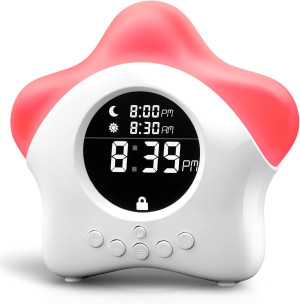
LittleHippo Mella: Ready to Rise Children's Sleep Trainer, Night Light, Sound Machine and OK to Wake Alarm Clock for Toddlers and Kids - Arctic Blue

Oyster&Pop Learning Clock for Kids - Silent Telling The Time Teaching Clocks - Non-Ticking Kids Clocks for Bedrooms - Classroom Clocks for Teaching Time - Kids Learn to Tell Time Easily

Dreamegg Nite 1 - Baby Sound Machine, Sleep Trainer, Night Light for Kids, Ok to Wake Alarm Clock, 34 Soothing Sounds, App Control, White Noise Sound Machine for Baby Kids Toddler Nursery Bedroom
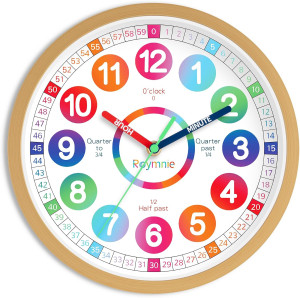
Learning Clock for Kids Telling Time Easily Teaching Clock Silent Non Ticking Battery Operated Colorful Teaching Time Clock Decorative for Kids Room Classroom School Playroom (8 Inch)

Learning Clock for Kids, Silent Non Ticking, Telling Time Teaching Clock, Kids Room Wall Decor for Bedrooms, Analog Kids Clock for Teaching Time, Kids Learn to Tell Time Easily
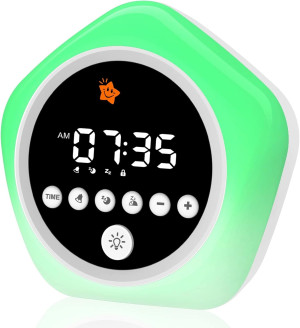
Kids Alarm Clock, Toddler Sleep Training Clock with Red Green Light, Ok to Wake Clock for Kids with Night Lights,10 Colors and 5 Sounds, Perfect Clock Gift for Kids
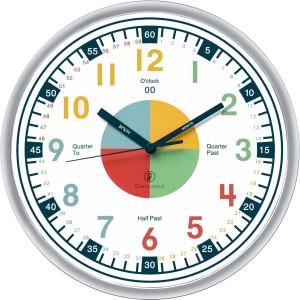
OWLCONIC Non Ticking Kids Clock for Kids Learning to Tell Time, Telling Time Teaching Clock for Kids, Wall Clock Kids, Classroom Clock, Kids Learning Clock, Silent Kids Clocks for Bedrooms.
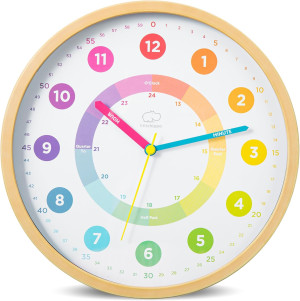
LittleHippo Learning Clock for Kids for Teaching to Tell Time - Kid's Analog, Silent, Non-Ticking Wall Clock for Bedrooms, Nursery, Playroom, School Classroom, Study to Learn to Tell Time
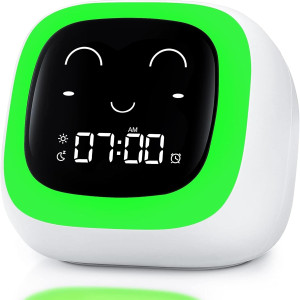
ANTOKING Kids Alarm Clock, Ok to Wake Clock with Night Light and Sound Machine for Boys and Girls, Sleep Training Clock for Toddlers, Nap Timer, Snooze
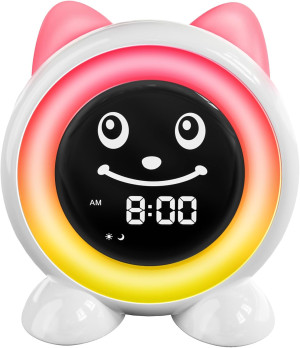
Toddlers Sleep Training Clock, Kids Alarm Clock with Night Light & Nap Timer, Ok to Wake Clock for Girls and Boys
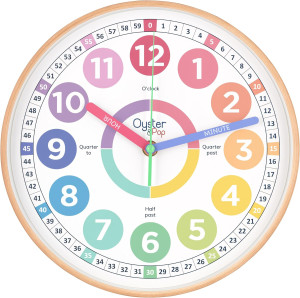
Oyster&Pop Pastel Learning Clock for Kids - Telling Time Teaching Clock - Silent Kids Wall Clocks - Kids Room Wall Decor - Analog Kids Clock for Teaching Time - Kids Learn to Tell Time Easily
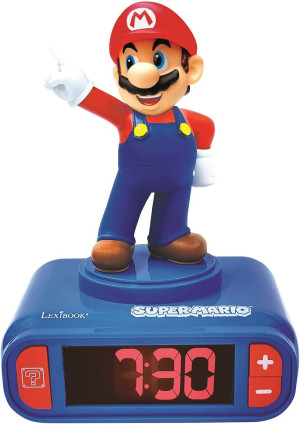
Lexibook, Super Mario, Mario Nightlight Alarm Clock, Sounds and Melodies, LCD Backlit Screen, Luminous, Snooze, Red/Blue, RL800NI
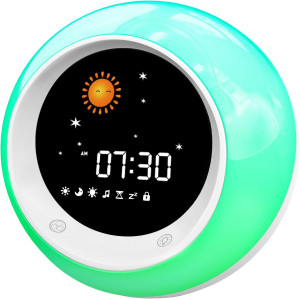
I.CODE Sun & Moon Rise Kids Alarm Clock, Children's Sleep Trainer ,Sleep Sound Machine, Wake Up Light & Night Light ,Teach Kids Day & Night
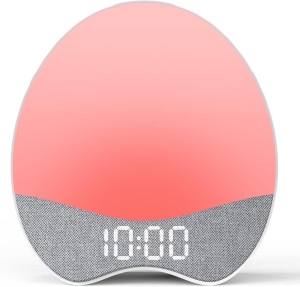
OK to Wake Alarm Clock for Kids, Children's Sleep Trainer, Bedside Dream White Noise Machine, Adjustable Night Light, 12 Soothing Sounds, Nap, Sleep Timer, Dimmable Fabric Display, Bedroom
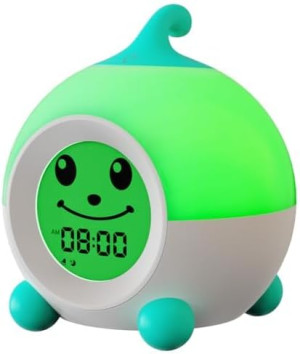
iHoo Kids Alarm Clock, Toddler Sleep Training Clock with Emoji,Toddlers Night Light Clock for Kids Bedroom
Get the best deals first
Join Testmarket for exclusive deals, cashback and trusted product reviews — free.
